How many migraine days is chronic?
 Easing Team
The people who make Easing
Short answer
The International Classification of Headache Disorders (ICHD-3) describes chronic migraine as headache on 15 or more days a month for more than 3 months, where at least 8 of those days have the features of migraine. It counts days, not attacks, and only a doctor can tell you whether it applies to you. Counting your own headache days for a few months is the most useful thing to bring to that conversation.
In this post
The definition, word for word
Two details people miss. It counts all headache days, including ones that felt more like a tension headache, as long as at least 8 a month have migraine features. And it needs more than 3 months, so one bad month doesn't meet it.
How to count your days
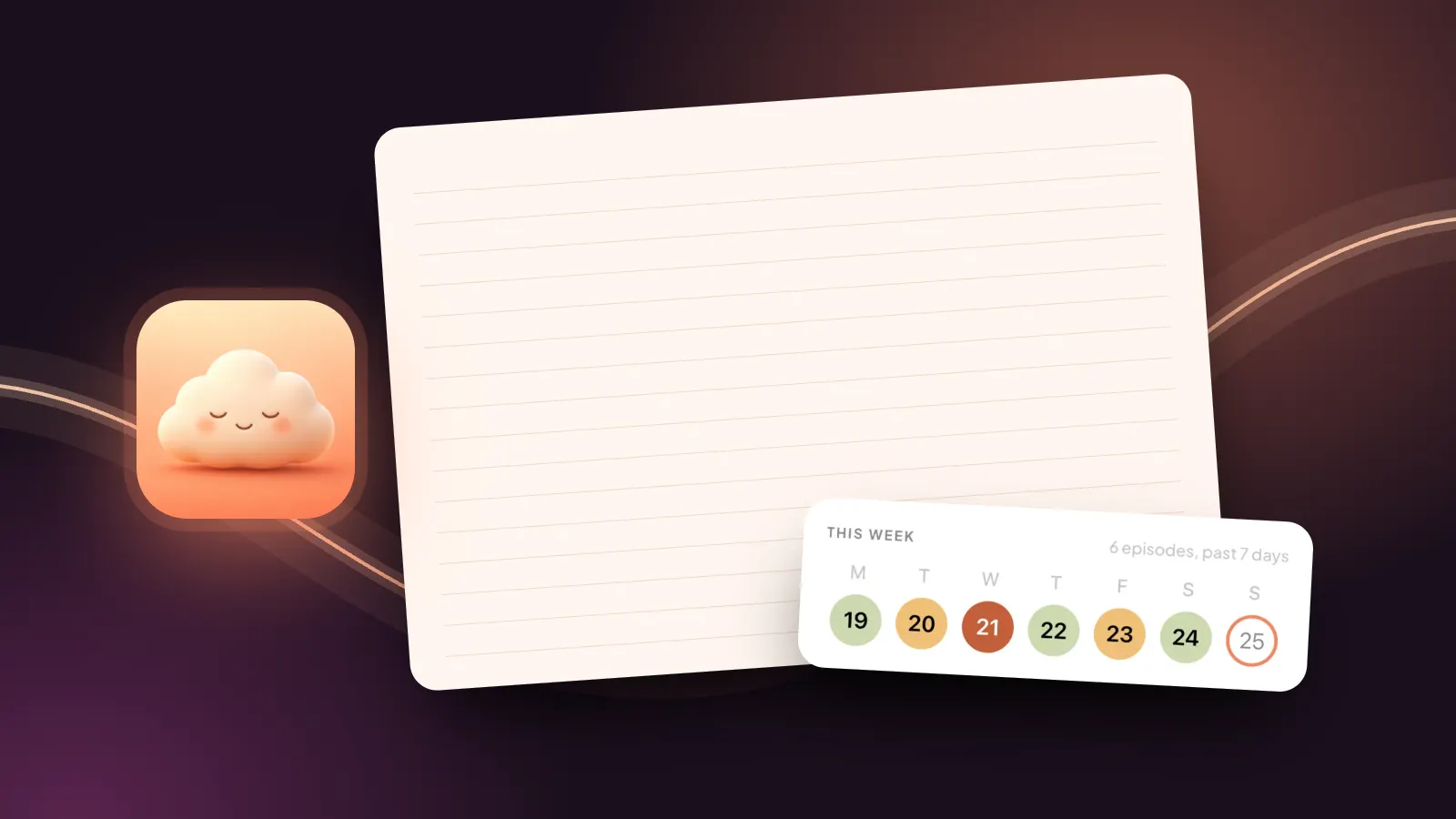
- Mark every day you had any headache, however short. One day counts once, even with two headaches.
- Note which of those felt like your migraines (your doctor will ask what that means for you: throbbing, one side, sickness, light bothering you).
- Note the days you took medicine for a headache. Your doctor will ask that too.
- Keep going for at least 3 months, since the definition needs that.
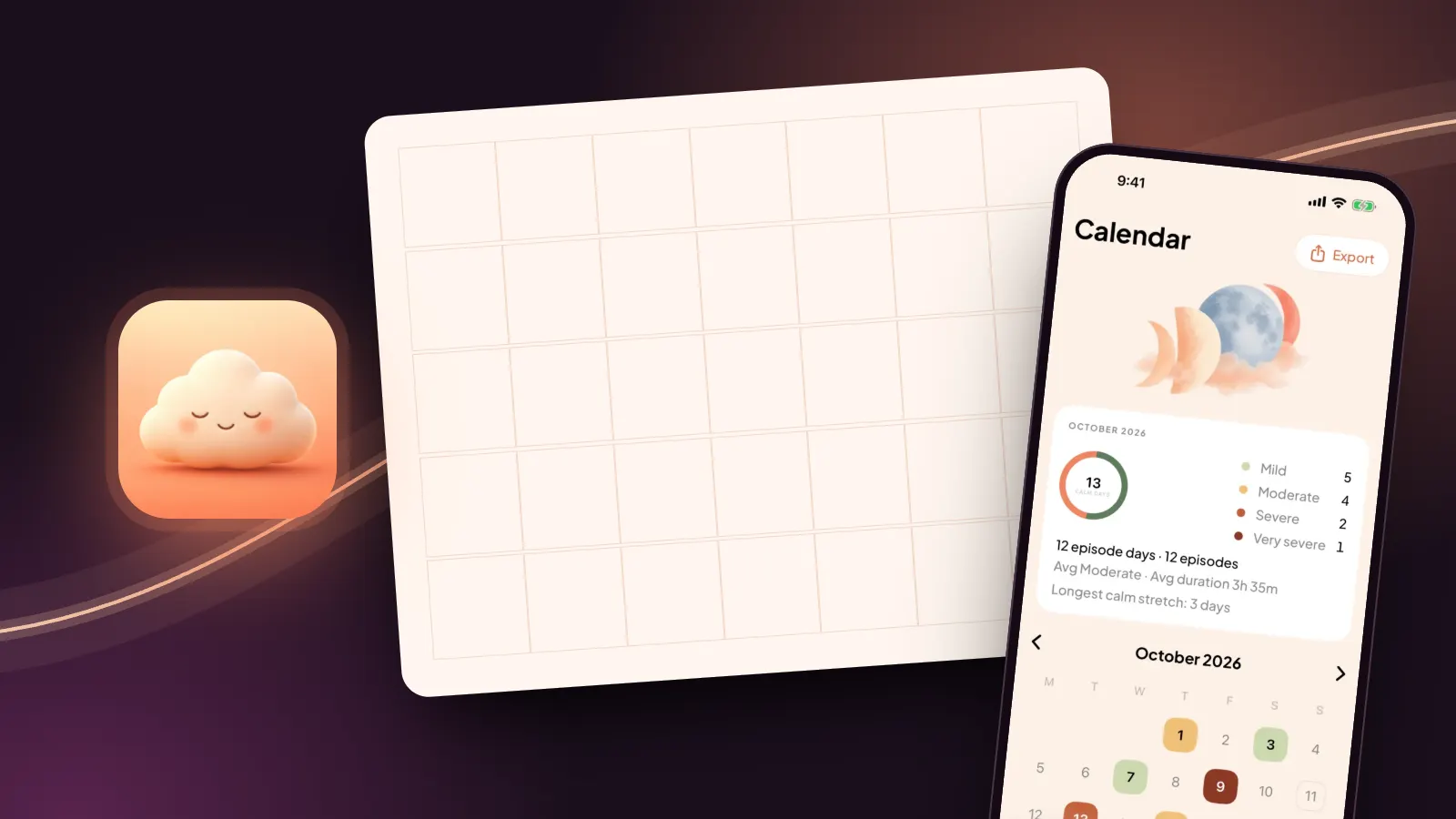
The printable migraine calendar is built for exactly this count, and the online headache diary does the counting for you. For medicine days on their own, see how many triptans a month. For more detail per attack, the headache diary.
When the NHS says to see a GP
You don't need to reach any number first. The NHS migraine page says to see a GP if:
- your migraine attacks are severe or getting worse, or lasting longer than usual
- you have migraine attacks more than once a week
- you're finding it difficult to control your migraine
- you regularly get migraine before or during your period
It says to ask for an urgent GP appointment or contact NHS 111 if an attack has lasted longer than 72 hours, aura symptoms last longer than 1 hour at a time, or you're pregnant or just had a baby. And to call 999 for a headache that came on suddenly and is extremely painful, problems speaking or remembering, loss of vision or blurred or double vision, drowsiness or confusion, or a seizure.
Is there a "normal" number of migraine days?
No single number. The definition above separates chronic from episodic migraine; it doesn't say what's fine for you. If migraine is getting in the way of work or life, that's a reason to talk to a doctor whatever the count.
Where Easing fits
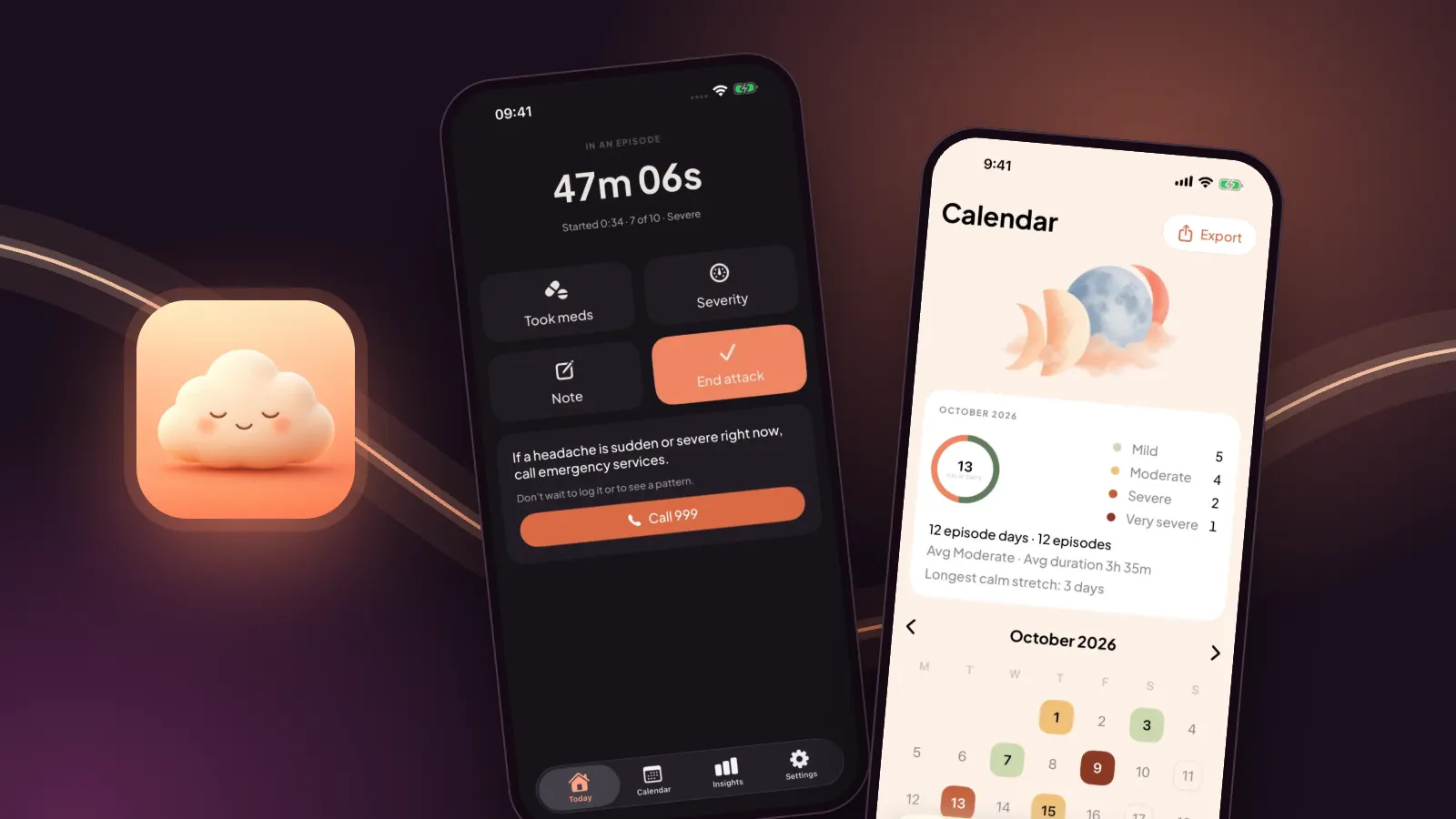
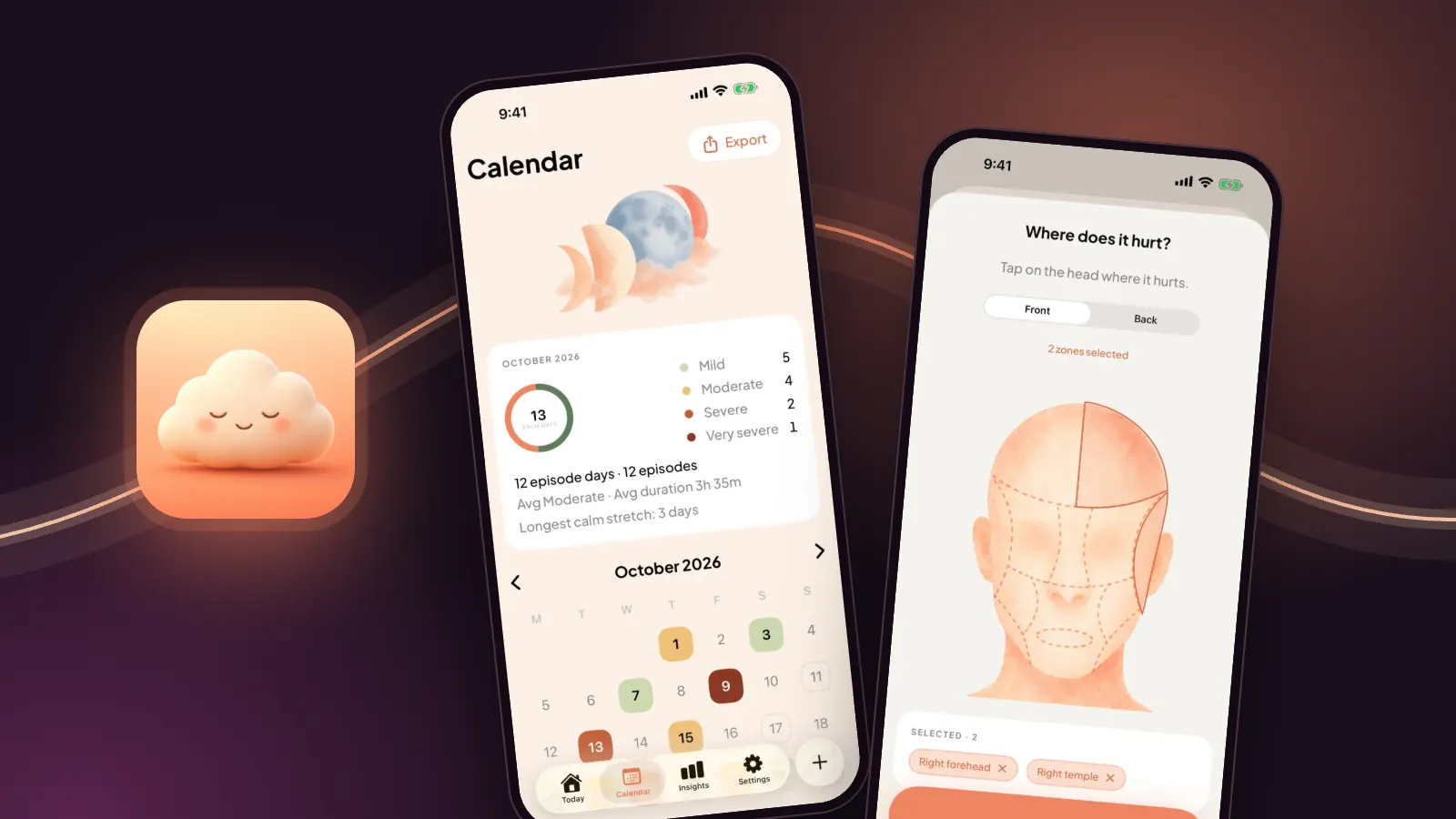
We make Easing, a headache diary for iPhone, coming soon to the App Store. It counts headache days and medicine days from what you log and puts them in a PDF for your appointment. It doesn't diagnose anything or tell you whether you have chronic migraine.
Questions people ask
How many migraine days a month is chronic migraine?
The ICHD-3 describes chronic migraine as headache on 15 or more days a month for more than 3 months, with migraine features on at least 8 of those days. Only a doctor can tell you whether it applies to you.
How many migraines a month should I see a doctor about?
The NHS says to see a GP if you have migraine attacks more than once a week, or if they are severe, getting worse, lasting longer than usual, hard to control, or regularly around your period.
Does a long migraine count as more than one day?
For counting headache days, each day you had a headache counts once. An attack that runs over two days counts as two days.
What is the difference between episodic and chronic migraine?
Chronic migraine is defined by headache on 15 or more days a month for more than 3 months. Migraine that happens less often than that is usually called episodic. Your doctor decides which applies.
Sources: ICHD-3: 1.3 Chronic migraine; NHS: migraine. Both checked 29 October 2026.